
Repair of Yanmar Heat Exchanger and Water Pump
- Action: To Do List item A0129 – Repair or replace heat exchanger manifold.
- Action: To Do List item A0132 – Repair or replace water pump.
- Action: To Do List item A0123 – Obtain two additional heat exchanger manifold mount bolts.
- Action: To Do List item A0124 – Obtain four heat exchanger manifold exhaust mount stud and nuts.
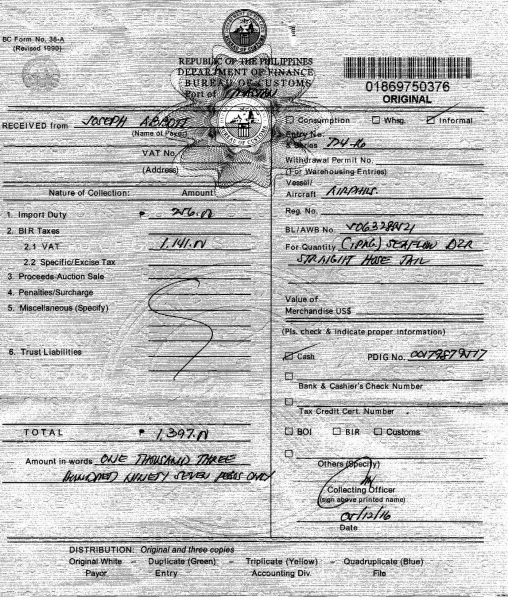
- Action: To Do List item A0125 – Obtain heat exchanger manifold to engine block gasket.
- Action: To Do List item A0126 – Obtain heat exchanger manifold to exhaust water mixing elbow gasket.
- Action: To Do List item A0127 – Obtain heat exchanger manifold to engine block noise absorber pad.
- Action: To Do List item A0128 – Obtain gaskets and O-ring seals for heat exchanger end cover caps.
- Action: To Do List item A0131 – Obtain water pump to engine block gaskets.
- Action: To Do List item A0133 – Obtain new thermostat, gasket, and O-ring.
- Completed: 20 October 2016
- Cost: $742.35
The heat exchanger and water pump aluminum corrosion problem drove the search to determine which decision, replacement or repair, was most cost effective (cheaper). Internet searches revealed the heat exchanger, part number 129670-44911, would cost about US $1,100.00 and the water pump, part number 129271-42001, would cost about US $267.00 sourced from Yanmar part dealers. Repair estimate from a local Filipino machine shop was P13,500 pesos or about US $290.00 with no guarantee or warranty; which was about 20 percent of the replacement cost.
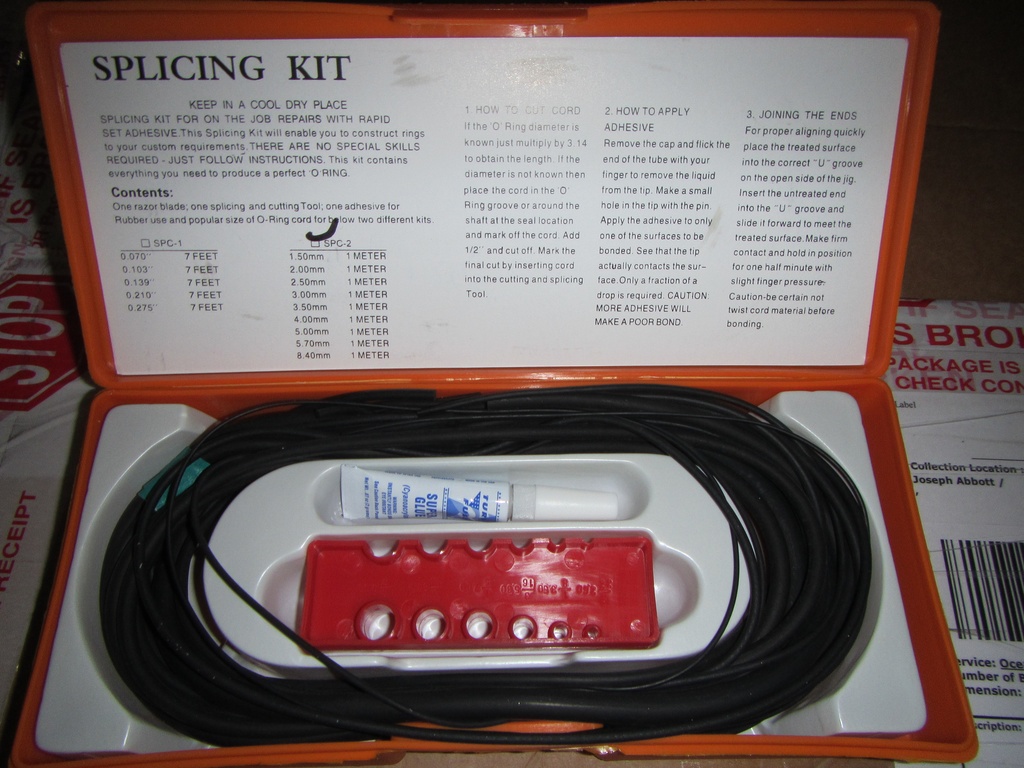
The viability or reliability of repair was also a concern. The seal between the heat exchanger and the core is dependent upon close tolerances in the angles/bevels in which the core resides and a O-ring seal is used to close this gap. If the repair tolerances are not done right, the real possibility of a potential leak past the O-rings exists. To minimize this possibility, the option to use a thicker O-ring was considered and a user made O-ring seal splice kit was ordered with multiply rubber thicknesses at a cost of $31.29.
Also of concern was where did the large amount of rust scale/flakes come from; some could be the remnants of the aluminum material consumed by corrosion. The engine block is aluminum, so the components with steel based components were most likely the water pump and lubricating oil cooler. As the rust/scale flakes and corrosion were mostly found in the area between the water pump and heat exchanger, the water pump was a likely suspect. The water pump was thoroughly cleaned and rotation of the shaft was still smooth and noise free. The water pump was not disassembled to inspect its internals as disassembly was not recommended per the service manual. The possibility of a potential future failure of the water pump was believed to have increased due to this corrosion issue. Replacement or addition of a spare water pump was a strong consideration.
The repair option was chosen.
The heat exchanger and water pump were turned over for repair to the diesel engine repair and machine shop called Wellmade Innovative Technologies, Talisay City, Cebu. About two weeks passed, and the parts were ready for pickup. The original estimate stood as the final total bill, and was paid.
Inspection of the repairs appeared very favorable as illustrated in the following pictures before and after shots.


Most marine engines have zinc anodes installed in the raw seawater cooling system to minimize corrosion. The Yanmar 4JH5E diesel engine does not have zinc anodes installed due to the manufactures position that the metallurgy is compatible and galvanic corrosion should not be an issue. It is important to recognize that the components inspected in the raw seawater cooling path through the engine did not have corrosion present, just scale buildup. The manufacture also minimizes the chance of corrosion in the engine coolant system by specifying the coolant is changed annually. In this case the corrosion that occurred was most likely due to not following the manufactures coolant change recommendations and made worse by the possibility the corrosion allowed the seawater to leak past the seals into the coolant system. To minimize the possibility of this corrosive action occurring again in the freshwater coolant system, removed a plug in the aft heat exchanger end that is not mentioned or documented in the part or service manuals. The plug's hole was drilled and tapped to a 18mm thread size to accommodate a zinc anode, which was installed. A metric 45-piece tap and die set was purchased at a cost of $135.49, with tax and shipping. A special 16.5mm drill bit to match the 18mm tap size cost $14.74. The Yanmar engine zinc, M18.5x1.5, with replacement zinc spares cost $73.07, with shipping.

Installed four new threaded studs ($8.80) with new nuts ($8.36) with a liquid red thread locker ($8.17), into the heat exchanger exhaust mounting port.

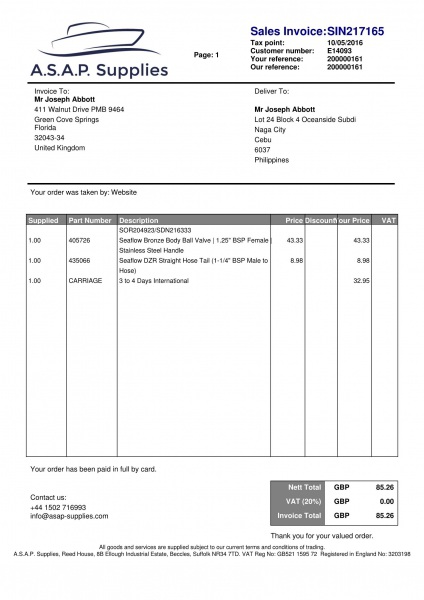
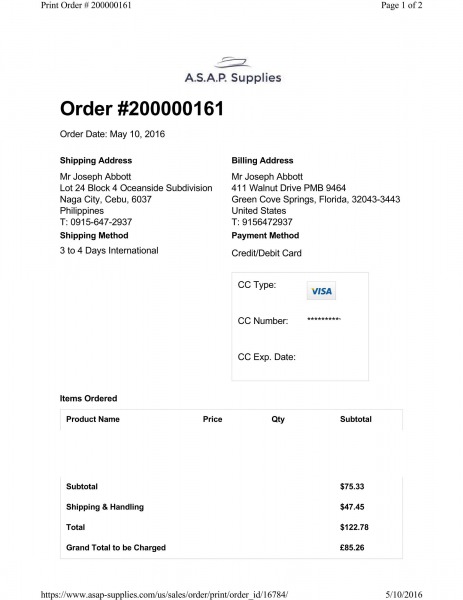
Installed new O-ring ($5.75) around heat exchanger core and new gasket seal ($6.25) in the aft end cap. Though not specified by manual installation instructions, applied hi-temp sealant to surface area where the aft end cap mates to the heat exchanger to reduce any chance of a leak. Aft end cap was then bolted to aft side of heat exchanger. The forward heat exchanger end cap was installed the same way ($12.00). Additional parts were received to facilitate the installation: Two additional heat exchanger manifold mount bolts ($3.56), heat exchanger manifold to engine block gasket ($31.31), heat exchanger manifold to exhaust water mixing elbow gasket ($15.97), and the heat exchanger manifold to engine block noise absorber pad ($14.95). The heat exchanger was now ready for installation back on the engine.

The water pump and thermostat housing was cleaned. A new thermostat ($73.75) with two new gasket seals ($2.09 + $2.69) were installed on the water pump. Also received the water pump to engine block gasket ($4.11). The water pump was now ready for installation back on the engine.