Engine Exhaust Component Deletions

Engine Exhaust Component Deletions

  • Action: To Do List item A0085 - Remove and delete the Chiu Tong ball valve.
  • Completed: 13 April 2016
  • Cost: $0.0


The reason to delete the Chiu Tong ball valve was its inner diameter exhaust passageway was 2.5-inch instead of 3.0-inch as stipulated by the Yanmar diesel engine installation manual,  the valve was made of ABS plastic and not rated for the exhaust temperature levels, and its installation used single clamps instead of the USCG regulatory requirement for dual clamps on exhaust hose connections.  Also this was a potential point of failure that is uncommon in most exhaust installations - forget to open it one time on engine start and you'll be pumping seawater into your engine cylinders - a very expensive potential mistake.  The red handle was extremely difficult to open and close - possibly due to heat degradation.

    Had difficulty removing the T-bolt hose clamps as the threads were buggered up due to being over tightened - all the clamps were non-reusable and scraped.  Was able to separate the 3-inch exhaust hose from the input side of the ball valve.  The short section of 3-inch hose between the ball valve and exhaust thru hull could not be separated from the ball valve as some type of adhesive/sealant was used during its original assembly.   The Chiu Tong ball valve with short section of 3-inch hose was scraped together.

    Isotherm Thru Hull Zinc

    Isotherm Thru Hull Zinc

    • Action: To Do List item A0069 – Order replacement and spare Isotherm thru hull zinc.
    • Action: To Do List item A0070 – Replace Isotherm thru hull zinc.
    • Completed:  3 April 2016
    • Cost: $47.19


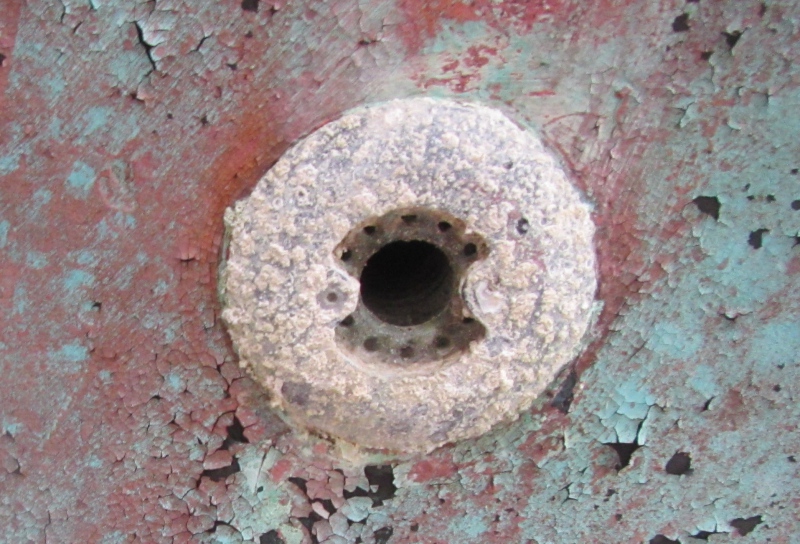
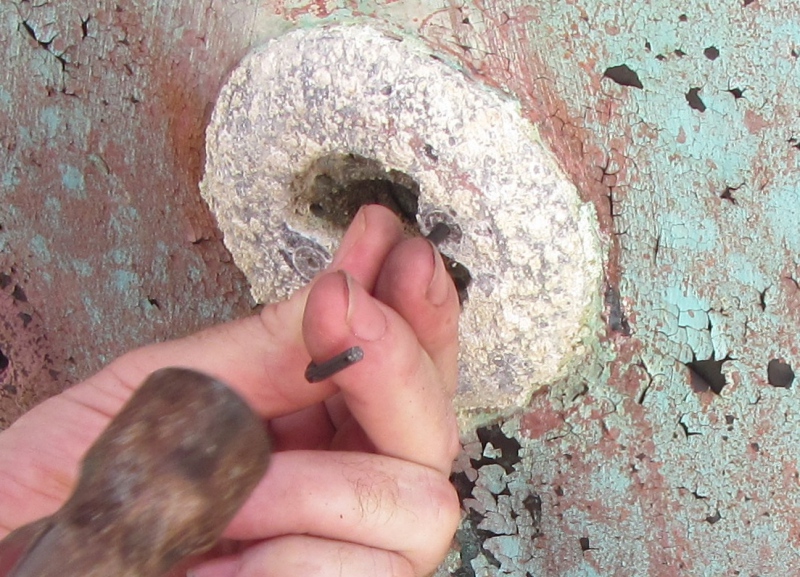
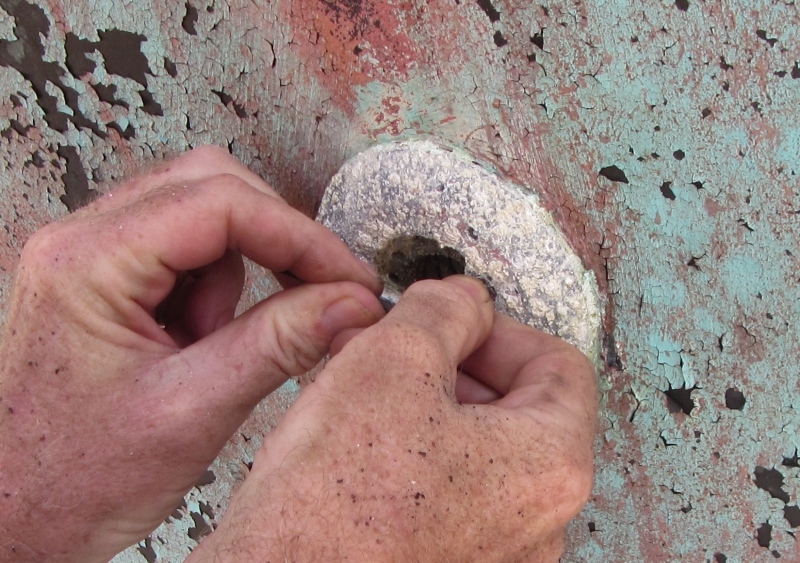
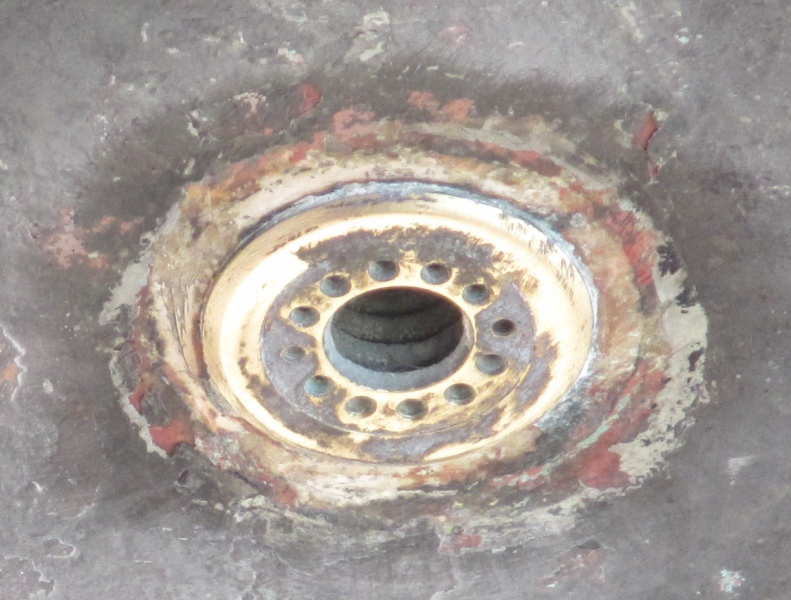
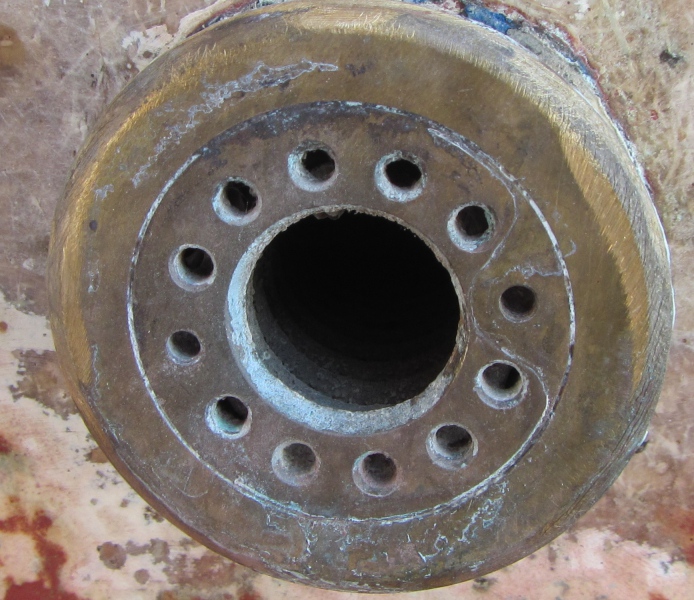
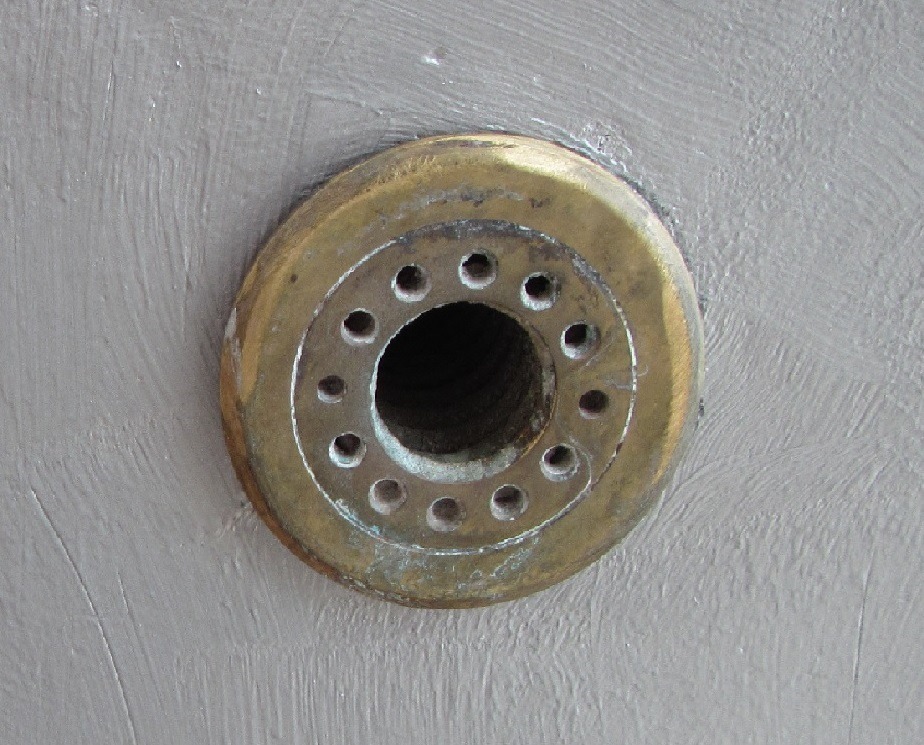
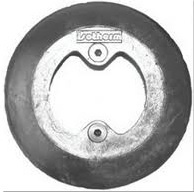
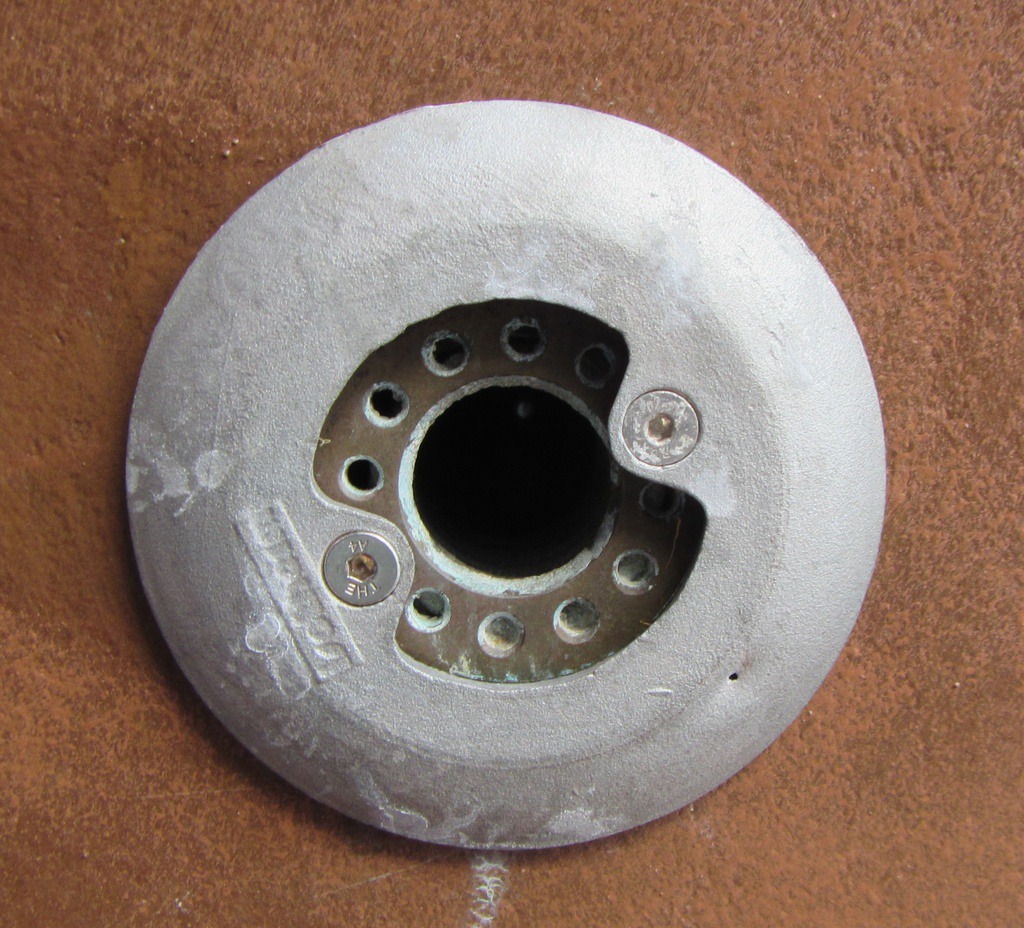
    One Isotherm SP refrigeration system replacement zinc anode with mount screws was obtained at cost of $26.99.  Another replacement zinc anode without mount screws was obtained at a cost of $20.20 as a spare.  The additional cost of $6.79 for two very small mount screws is not a purchase option that will be repeated.

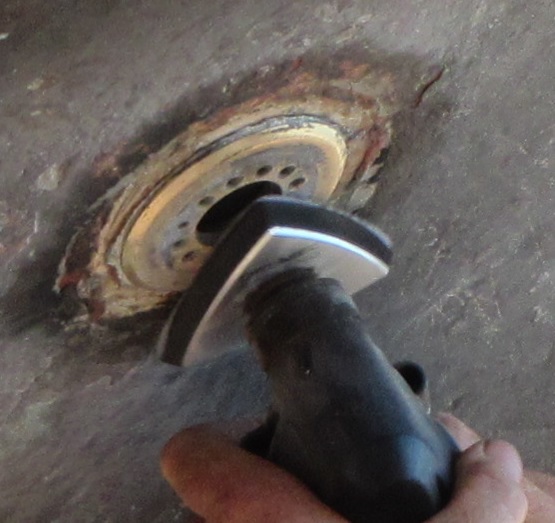
    The Isotherm thru hull zinc was removed using a Allen hex key wrench.  The surface of the thru hull was sanded clean using a Dremel sander.  The new zinc anode with screws were installed to confirm fit, and then removed as the thru hull needed to be removed, resealed, and reinstalled.

    Para-Tech Sea Anchor System Rigging

    Para-Tech Sea Anchor System Rigging

    • Action: To Do List item A0046 – Repair sea anchor float line. ($9.00)
    • Action: To Do List item A0056 – Rig up Para-Tech sea anchor per instruction manual.
    • Completed:  2 April 2016
    • Cost: $9.00


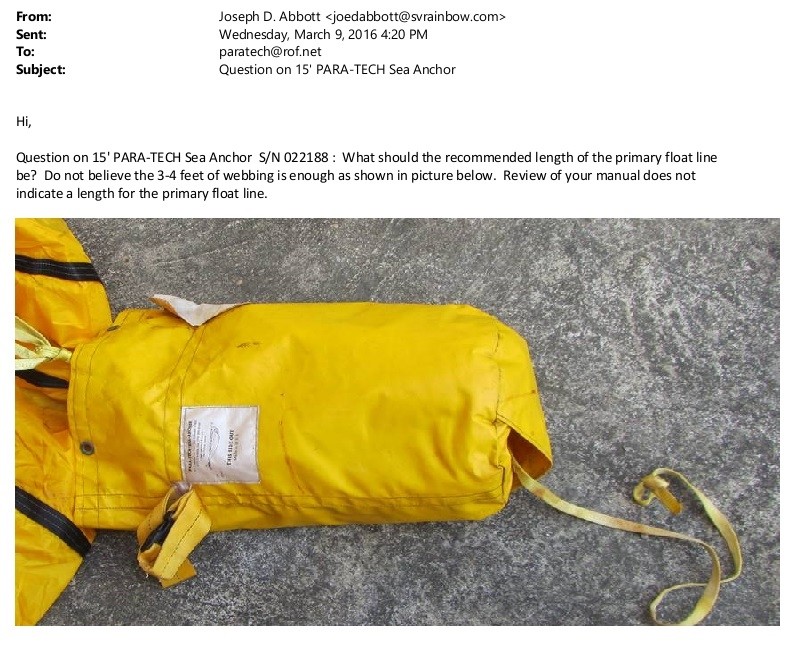
    On 9 March 2016 sent email to Para-Tech asking about length of primary float line as ours was cut and only about 3 feet long.

      On 10 March 2016 received email from Para-Tech providing instruction on how to fix the cut sea anchor float line, as follows:

        Instead of using nylon webbing to fix the float line, we used approximately 20 feet of 5/16" white with red tracer New England Sta-Set rope rated at 3850lbs at a cost of about $9.00.  Each rope knot was seized with twine.

        All the components were connected together as depicted in diagram below.  Connections that required a rope knot were seized with twine.  Each roll pin had seizing wire applied.  The anchor and bridle rode rope was coiled and stowed.  From the shackle chain connection to the sea anchor was able to pack and fit in deployment stowage bag.  The float buoys and trip line rope were stowed separately.  All items were stowed under the forward V-berth and are ready for use.

        Marine Barbeque Grill

        Marine Barbeque Grill

        • Action: To Do List item A0139 – Obtain new marine BBQ grill.
        • Completed: 2 April 2016
        • Cost: $453.01


        As the Force 10 marine barbeque grill had expired/broke and no replacement parts were available, the search for a suitable replacement on the internet began.  As in almost all things/issues. the internet opinions varied widely as to what was best.  After reviewing manufacture manuals, we selected a Magma Marine Party Size Kettle 2 Propane Gas BBQ Grill model A10-217, rail mount, cover, and LPG connection kit.

        The items were ordered and received 23 October 2015.  The cost is listed below.


        P/N Item Cost
        A10-217 Magma Marine Party Size Kettle 2 Propane Gas BBQ Grill $214.30
        A10-080 Magma BBQ Grill Rail Mount $54.76
        A10-295 Magma Stainless Steel Fish and Veggie Grill Tray $31.90
        A10-220 Magma LPG Propane Gas Low Pressure Control Valve $33.58
        A10-225 Magma LPG Propane Gas Hose Conversion Kit $64.49
        A10-492PB Magma Marine Party Size Kettle Grill Cover Pacific Blue $53.98
        $453.01


        The Magma BBQ Grill was installed on the aft port side cockpit railings with protective cover on 2 April 2016.  As no source of LPG was available, it's first use would wait to a future timeframe.

        Yamaha Outboard Motor Repair

        Yamaha Outboard Motor Repair

        • Action: To Do List item A0065 - Inspect and perform routine maintenance on Yamaha outboard motor.
        • Completed: 1 April 2016
        • Cost: $642.89


        Click to go to Yamaha 2HP 2-Stroke Outboard Motor Inspection.


        The numerous parts ordered for repair of the Yamaha outboard motor, consolidated and shipped by ocean freight from Los Angeles, California, took 3 months to arrive from the time of order.

          The mount bolt area for the zinc was sanded to bare metal and a new zinc was bolted to the lower casing assembly.

            The water pump repair kit parts were installed on the lower casing and new water seals were installed in the water pump housing cover.  A new impeller was installed on the new drive shaft, drive shaft was inserted into the lower casing, pinion gear and small retaining clip installed on the bottom of the drive shaft, impeller retaining plate installed, and water pump housing  cover bolted to lower casing.  The lower casing gear housing had the small shaft with drive gear reinstalled, new O-rings, and the gear housing was bolted close.  The aluminum propeller was reinstalled on the drive shaft with new shear pin.

              A new spark plug was installed into the cylinder head; the piston, cylinder, and rings were lubricated lightly with oil; a new head gasket aligned to engine block; and they were then bolted together.

                A new exhaust manifold gasket was installed on the engine block.

                  The exhaust manifold was installed next with the new gasket for mating to the propeller shaft middle casing assembly.

                    The new propeller shaft was then attached to manifold/engine assembly.  To reduce the chance of corrosion between the propeller shaft and the engine crank shaft, a liberal amount of anti-corrosive grease was put in the top cavity of the propeller shaft before being inserted on the engine crank shaft.  The entire new propeller shaft was also coated with anti-corrosive grease.

                      A new cooling water tube was installed. The engine block, middle casing, and lower casing were carefully aligned to ensure proper alignment and installation of propeller shaft and water tube; then all had mount bolts installed and tightened.

                        The new fuel stop cock with fuel filter was installed in the base of the fuel tank and a new fuel hose was attached on the fuel cock outside connection to be mated with the carburetor.

                          The carburetor had been previous flushed and cleaned of all the old fuel residue discovered during initial inspection.  Parts from a carburetor repair kit replaced all the original items.  The carburetor was mounted to the engine and the new fuel hose from the fuel tank was connected.

                            A new gas tank rubber seal and gas cap were installed on the fuel tank.  The fuel tank was then reinstalled on the outboard frame.

                              The outboard mount bracket had a new friction rubber plate and adjustment wing bolt with spring tensioner installed.  The internal mount areas and bushings were thoroughly greased and the outboard mount bracket was reattached to the upper casing.

                                A new stop switch with lanyard was installed on the tiller handle, the tiller handle was reattached to the outboard frame, and the wiring reconnected.

                                  Miscellaneous hardware was replaced, the new forward plastic cowling and the rest of the original engine cowling was installed.  A new choke switch knob and faceplate decals were installed.

                                    The gear box housing was refilled with SAE 90 weight gear oil.  Gas and two stroke outboard oil were mixed per the 100:1 ratio and a small amount put in the gas tank.  The outboard was mounted to a drum filled with fresh water.  The engine started on second pull, and ran well.  Very little smoke was observed and cooling water ejection was strong.  Made minor adjustments to the carburetor settings.  It was run up to power, then idled for about 10 minutes until the fuel ran out.  The spark plug was removed, a small amount of oil was inserted into the spark hole, and then the spark plug was reinstalled.   A new outboard cloth sun cover was made using Sunbrella material and fitted on the outboard.  The outboard was then mounted back aboard Indra and secured with a padlocked when we returned in April 2016.  Project complete!

                                      Post Project Analysis and Summary

                                      A few questions need to be asked and possible answers found; i.e., what lessons were learned from this project.

                                      The first questions is what was wrong/broke and possibly why.  The missing or broke parts, broke impeller, and contaminated gear oil were clearly the result of the choice to not perform recommended periodic inspections and basic maintenance.  If the impeller inspections were performed every 200 hours or yearly, it is very probable the two shafts would have not corroded to the extent they welded themselves together.  If the recommended storage preparations were performed, the discovered fuel contamination issues would not have occurred.  The documented previous issues of hard starting were most likely caused by contaminated fuel and filter issues impacting carburetor operation; also possibly due to the extremely restricted cooling water flow, the engine probably ran extremely hot affecting operation.

                                      Was it worth fixing or should purchase of a replacement been considered?  A new 2016 Yamaha 2hp model 2CMHS from Australia was US $585.00, not including shipping and customs, which would most likely make the total cost around US $1000.00.  The cost of all the parts identified during the initial inspection and ordered, to include spares, was US 642.89; this does not include the time expended.  So in this case, it would have been more realistic and cost effective to replace.  However, as we had never done something like this before, the knowledge, experience, and confidence gained might tip the scales toward fixing it as more worthwhile.  The condition of the outboard was not known at the time of boat purchase, and if known, should have had a negative impact on the offer price.


                                      Visual Distress Signals

                                      Visual Distress Signals

                                      • Action: To Do List item A0021 – Obtain required number/types of pyrotechnic flares or electric distress light with orange flag.
                                      • Completed:  15 March 2016
                                      • Cost: $255.00


                                      On a visit to Broadwater Marine located at Mactan Island, Cebu, Philippines we noticed they had flares in stock.  As the flares date of manufacture was relatively recent we purchased three IKAROS handheld red flares at a cost P2,100.00 (US $46.67) each.  The flares expiration date of April 2018 was added to our master tracking list of Periodic Maintenance Requirements.


                                        As the result of internet research discovered that an electric distress light with orange flag was USCG approved, the Sirius Signal SOS Distress Light with Distress Flag.  The advantage, besides being cheaper in cost, was there were no expiration date and no fire hazard.

                                        On 31 December 2015, we ordered the Sirius Signal SOS Distress Light with Distress Flag at a cost of $99.99 and had it shipped to our balikbayan box consolidator and forwarder Manila Forwarder in Los Angles, California and received there on 8 January 2016.  We received them in Naga City, Cebu on 9 March 2016.

                                        The SOS Distress Light needs three (3) type C batteries which were not included. Three package sets of four C batteries were locally purchased for about $15.00.  Two sets of packages with four type C batteries will be kept aboard as spares. The Sirius Signal SOS Electronic Flare Instructions recommend annual replacement of the battery and this was added to our master tracking list of Periodic Maintenance Requirements.